For many travellers, Konya is the heart of a spiritual journey through Turkey. This quiet city on the Anatolian plateau is where Jalal al-Din Rumi lived, taught, wrote much of his poetry and was buried in 1273. Nearly eight centuries later, people still arrive from all over the world to sit near his tomb, watch the whirling ceremony and feel something of the love his words describe. Here is what to know before you go.
Who was Rumi, and why Konya?
Rumi was born in 1207 in the region of Balkh, in present-day Afghanistan, and as a child travelled west with his family to escape the Mongol advance. They eventually settled in Konya, then the capital of the Seljuk Sultanate of Rum, which is where his name comes from. Rumi became a respected scholar and teacher. In 1244 he met the wandering dervish Shams of Tabriz, and that meeting transformed him from a teacher into a poet of divine love. His great work, the Masnavi, and thousands of lyric poems followed.
After his death, his son Sultan Walad and his followers founded the Mevlevi order, known in the West as the whirling dervishes, with Konya as its centre.
The Mevlana Museum
Rumi’s mausoleum, crowned by its famous turquoise-green dome, is today the Mevlana Museum. Inside you will find the tombs of Rumi, his father and members of the Mevlevi order, beautifully illuminated manuscripts, musical instruments and the former dervish cells around the courtyard. It is both a museum and a place of pilgrimage, and the atmosphere is often hushed and moving.
Some tips for your visit:
- Dress modestly. Women usually cover their hair inside the mausoleum; scarves are often available at the entrance.
- Arrive early in the day for a quieter experience, especially in high season.
- Give yourself time to sit in the courtyard afterwards. Many visitors find this the most memorable part.
Visiting the tomb of Shams
A short walk from the Mevlana Museum is the small mosque and tomb associated with Shams of Tabriz. It is far less visited, and that is part of its charm. Standing here, you can reflect on the friendship that changed Rumi’s life, and the idea at the heart of so much Sufi teaching: that we are transformed through love and through the people who open our hearts.
Seeing the sema, the whirling ceremony
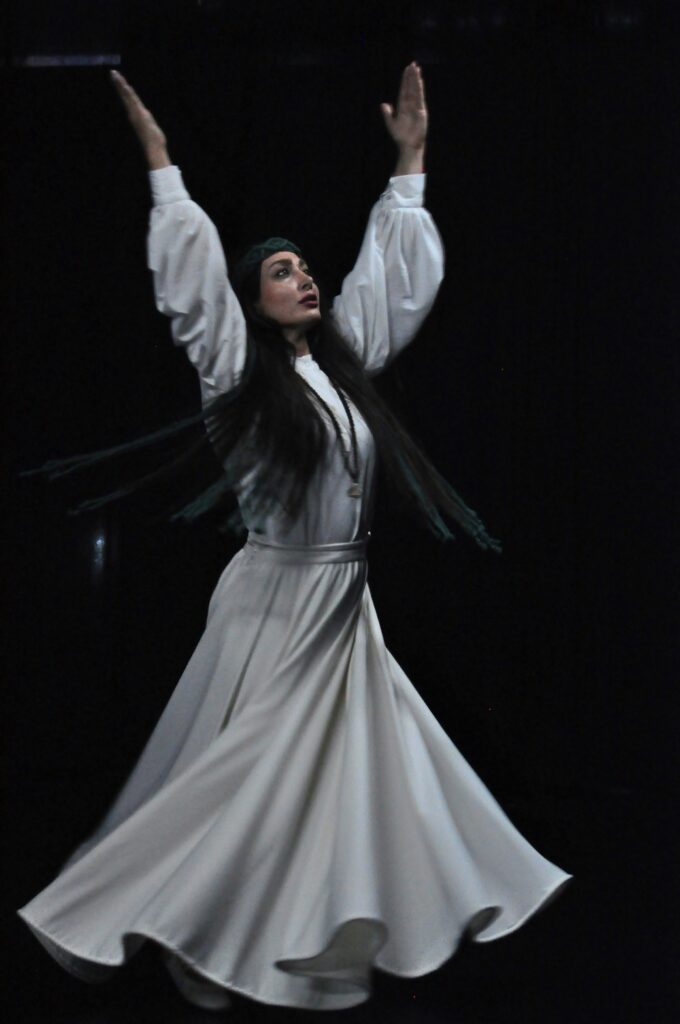
The Mevlevi Sema Ceremony is recognised by UNESCO as part of the Intangible Cultural Heritage of Humanity. In Konya, ceremonies are held at the Mevlana Cultural Centre, near the museum. Schedules change through the year, so check locally or with your guide before you travel.
The sema is a sacred ritual, not a show. Arrive on time, switch off your phone, avoid applause at the end and follow any guidance about photography. Watching in silence is part of the experience.
Şeb-i Arus: Rumi’s “wedding night”
Rumi did not describe death as an ending. He called it his wedding night, the moment of union with the Beloved. Every December, Konya commemorates the anniversary of his passing on 17 December with Şeb-i Arus, a series of ceremonies and events that usually builds over the days leading up to the 17th. It is the most atmospheric time to visit, and also the busiest, so plan accommodation and ceremony tickets well in advance.
Combining Konya with a wider journey
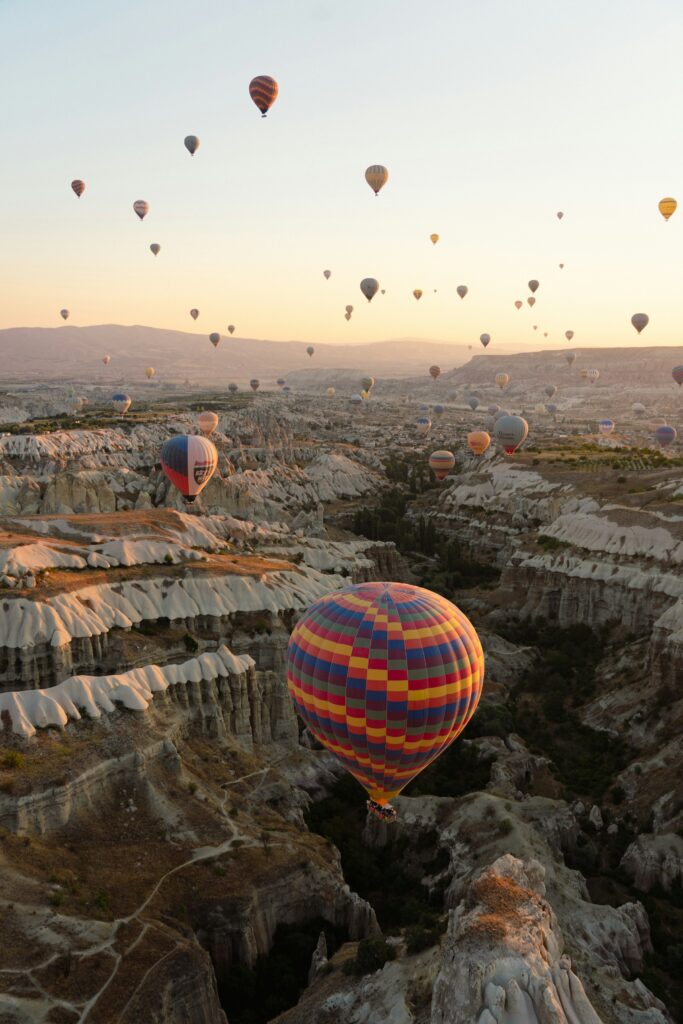
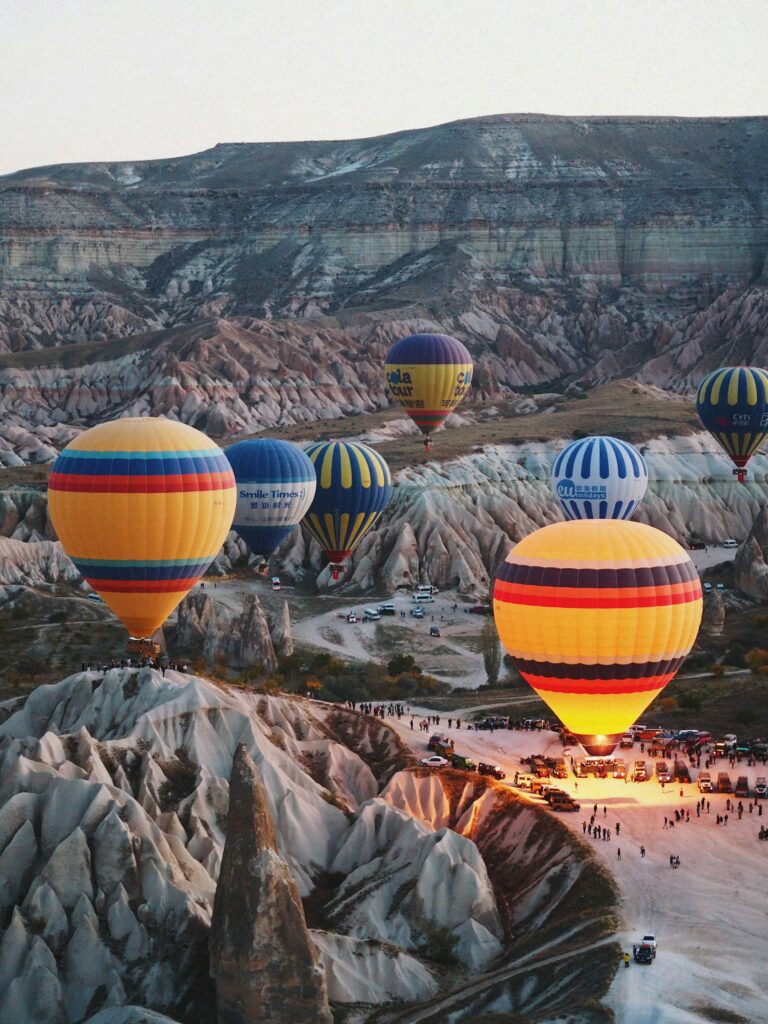
Konya is roughly two hours by high-speed train from Ankara, and has its own airport with domestic flights. Many travellers combine it with Cappadocia, a few hours’ drive to the east, with its fairy chimneys, cave churches and dawn balloon flights. Together they make a beautiful route: the inner stillness of Konya and the vast, otherworldly landscapes of Cappadocia.
That is exactly the route of our 15-Day Path of Love in Konya and Cappadocia, which travels from Istanbul through some of Turkey’s most important historical and cultural sites while exploring the heritage of Rumi and Shams through meditation, breathwork and yoga. If you have less time, the 12-Day Soul Journey in the Footsteps of Rumi and the shorter Path of Love offer a deeper focus on practice.
A city that asks you to slow down
Konya is not a city to rush. Its gift is quieter: a courtyard where people sit with a poem, a tea glass in the late afternoon, the sound of the ney, the reed flute whose longing Rumi described in the opening lines of the Masnavi. Come with an open heart and a little time, and it will speak to you.
Explore all our Sufi and yoga retreats in Turkey, or read our guide to Sufi whirling for beginners in the Journal.
Frequently asked questions
When is Şeb-i Arus in Konya?
It commemorates Rumi's death on 17 December. Ceremonies and events usually take place over the days leading up to the 17th each December.
Where can I watch the whirling ceremony in Konya?
Sema ceremonies are held at the Mevlana Cultural Centre near the Mevlana Museum. Schedules vary through the year, so check locally before you travel.
How far is Konya from Cappadocia?
A few hours by road to the east, which makes it easy to combine the two on one journey.
What should I wear to the Mevlana Museum?
Dress modestly. Women usually cover their hair inside the mausoleum, and scarves are often available at the entrance.